
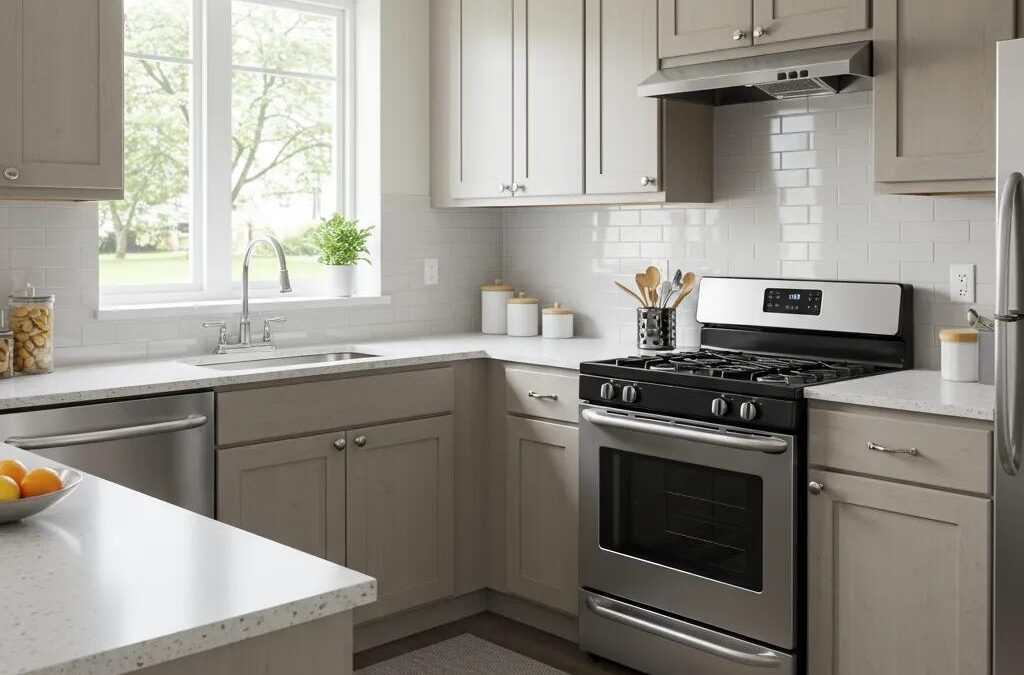
Your kitchen remodel should be a smart investment, blending beautiful aesthetics with practical budget planning to maximize your return and steer clear of unexpected costs. This guide dives into how to get the most from your kitchen remodeling budget, aligning your material selections, project scope, financing, and timeline with Philadelphia’s unique cost landscape. We’ll walk homeowners and property managers through typical cost ranges for key components, high-impact renovation ideas, when to DIY versus hire a pro, financing solutions, and a handy budgeting checklist to help you avoid hidden expenses. This article is structured for clarity, covering: a detailed local cost breakdown, top budget-friendly renovation ideas, the pros and cons of DIY vs. professional work, financing options specifically for Philadelphia projects, a step-by-step budget plan to prevent surprises, and design choices that truly stretch your dollar. We’ll also compare options like cabinet refacing vs. full replacement and laminate vs. quartz countertops, helping you make informed decisions for durability and resale value. Keep reading for local cost insights, actionable tips, and planning tools to ensure your kitchen remodel stays on track and within budget.
What Are the Average Kitchen Remodeling Costs in Philadelphia and Nearby Areas?
A typical kitchen remodel in Philadelphia can vary significantly in cost, from simple refreshes to complete overhauls, with materials, labor, and permits being the primary cost drivers. Your material choices impact both upfront expenses and long-term durability, while labor and permit fees reflect local building codes and contractor licensing. Understanding these factors empowers homeowners to allocate their budget wisely. By identifying major line items—such as cabinets, countertops, flooring, appliances, mechanical systems, permits, and labor—you can prioritize upgrades that offer the best return on your investment.
Below, you’ll find a concise cost breakdown specifically for Philadelphia and its surrounding counties, offering a practical starting point for planning small, medium, and large-scale projects.
This table provides a quick summary of typical Philadelphia price ranges and durability notes, helping you compare options efficiently.
| Component | Typical Price Range in Philadelphia | Durability / Lifespan Notes |
|---|---|---|
| Cabinets (refacing to replacement) | $3,000 – $15,000 | Refacing extends life 5–10 years; full replacements last 15–30 years |
| Countertops (laminate to quartz) | $800 – $6,000 | Laminate offers lower cost, 5–15 years; quartz provides 15–25+ years |
| Flooring (vinyl to hardwood) | $1,000 – $6,000 | Luxury vinyl plank lasts 10–20 years; hardwood 20–50 years |
| Labor (installation, trades) | $3,000 – $12,000 | Costs vary with project complexity; plumbing/electrical relocations increase expense |
| Permits & inspections | $150 – $1,200 | Depends on project scope and municipality; structural work always requires permits |
This cost table clearly illustrates how different component choices relate to their lifespan, helping you prioritize smart, value-driven investments. Understanding these relationships prepares you to select targeted upgrades that deliver the best long-term value, leading us directly into the material-specific trade-offs we’ll cover next.
How Do Your Material Choices Impact Your Kitchen Remodel Budget?
The materials you choose directly influence both your initial investment and ongoing maintenance costs, so making informed decisions can significantly reduce your total cost of ownership and boost your ROI. For instance, while laminate countertops offer a budget-friendly surface that lowers upfront expenses, they may need replacement sooner. In contrast, quartz countertops, though a higher initial investment, provide superior longevity and strong resale value. Cabinet refacing is a smart intervention that updates doors and hardware without replacing the entire cabinet structure, drastically cutting material and labor costs compared to a full cabinet replacement. Opting for durable flooring like luxury vinyl plank strikes a great balance between purchase price and longevity compared to entry-level hardwood. Similarly, appliance upgrades should always weigh energy efficiency against the sticker price. These material trade-offs underscore why a prioritized list of upgrades—focusing on cabinets, countertops, and durable flooring—delivers the strongest budget impact, naturally leading us to local labor and permit considerations.
What Are Typical Labor and Permit Costs for Philadelphia Kitchen Renovations?
Labor and permit costs in Philadelphia are shaped by local wage rates, contractor specialization, and municipal permit structures, often accounting for a larger portion of the final bill than raw material prices. Skilled trades like licensed electricians and plumbers charge based on project complexity and code requirements, with projects involving plumbing relocations or structural wall modifications demanding higher-skilled labor and additional inspections. Permit fees vary by township and the extent of mechanical or structural changes; accurately budgeting for these costs and plan review times helps prevent schedule overruns. We always recommend a contingency plan—typically 10–20% of your budget—to cover unforeseen mechanical or structural issues discovered during demolition, ensuring trades and permits won’t derail your project. This brings us to our next section on high-value renovation ideas.
After reviewing typical component and labor ranges, homeowners often seek localized estimates that account for neighborhood specifics and contractor licensing. RPK Construction LLC offers precise, localized cost perspectives for Philadelphia and its surrounding counties, helping homeowners translate these general ranges into a tailored estimate based on their unique design goals and site conditions. RPK Construction LLC is fully licensed with PA HIC and NJ HIC credentials, serving both residential and commercial clients. Prospective clients are encouraged to request a local estimate via our company phone or office contact information to receive project-specific pricing and a clear scope. This crucial step ensures your budget accurately reflects real-world labor and permit conditions, guiding your choices on where to invest for the best value.
Which Budget-Friendly Kitchen Renovation Ideas Offer the Best Value?
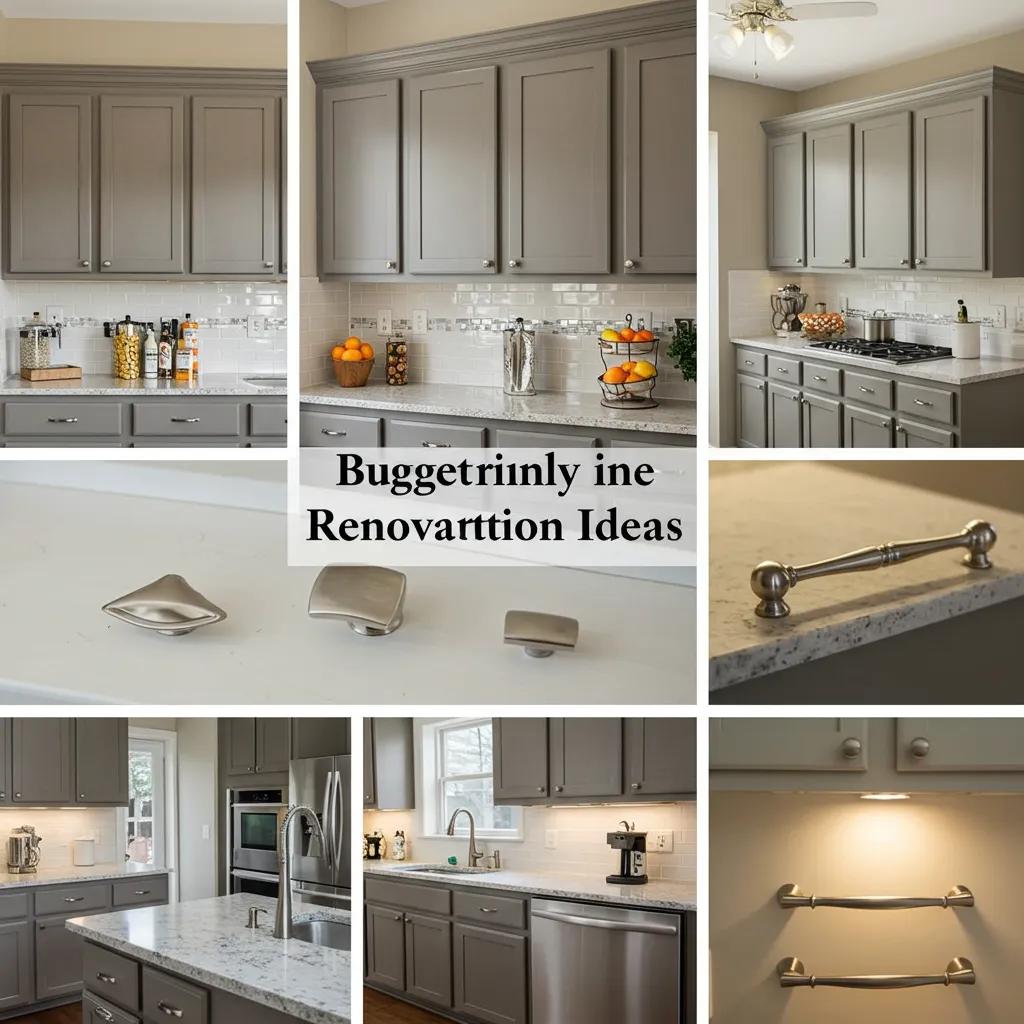
- Reface or repaint your existing cabinets to refresh their look and save significantly on replacement costs.
- Install laminate or butcher block countertops for an affordable surface upgrade with immediate visual impact.
- Replace outdated hardware and fixtures to modernize your kitchen’s aesthetic without a high price tag.
- Add under-cabinet lighting to enhance functionality and boost the perceived value of your space.
- Upgrade to energy-efficient appliances to lower utility bills and increase your home’s appeal to buyers.
These budget-conscious ideas cleverly combine aesthetic improvements with functional upgrades, and prioritizing them often reduces the need for costly mechanical relocations. The following table compares the pros of various materials and options, helping you select the perfect fit for your budget and specific needs.
| Material / Option | Pros | Cost Range / Best Use Case |
|---|---|---|
| Cabinet refacing | Lower material & labor cost; quick installation | $1,500 – $6,000; ideal when existing layout works |
| Laminate countertops | Very low upfront cost; wide range of styles | $20 – $60 / sq ft; excellent for short-term budgets |
| Butcher block | Adds a warm, natural look; easy to refinish | $30 – $100 / sq ft; great for accent areas or islands |
| Tile backsplash | High visual impact; often DIY-friendly | $10 – $40 / sq ft; perfect for adding low-cost flair |
| Under-cabinet lighting | Boosts utility & perceived value significantly | $150 – $800; a cost-effective lighting upgrade |
This comparison clearly shows how each option performs in terms of cost and application, helping you align your investments with your project priorities. Our next subsection delves into cabinet-specific strategies that frequently deliver the largest savings.
How Can Smart Cabinet Solutions Help You Save Money?
Cabinetry often represents the single largest expense in a kitchen remodel, making the choice between refacing, repainting, semi-custom, or full replacement a critical decision that impacts both your budget and timeline. Cabinet refacing, which involves replacing doors and drawer fronts while keeping existing cabinet boxes, significantly reduces material and labor costs, often yielding 50–70% savings compared to a full replacement when your layout remains unchanged. If structural modifications or layout shifts are necessary, semi-custom cabinets offer a balanced approach between cost and tailored functionality. Full custom cabinetry, however, should be reserved for unique design requirements with a long-term vision in mind. Partnering with a licensed remodeling contractor ensures precise measurements and expert installation, preventing costly rework that can quickly erode your savings. Understanding these options empowers you to decide whether a cosmetic update or a complete overhaul best aligns with your budget and long-term goals.
What Are the Most Cost-Effective Countertop and Backsplash Options?
Countertops and backsplashes offer significant visual impact, and selecting the right material means balancing initial cost with durability and maintenance needs. Laminate countertops and pre-packaged tile options are budget-friendly choices that provide a wide array of style options at a low cost, especially beneficial for projects focused on cosmetic enhancements where long-term durability is a secondary concern. Butcher block presents a mid-range alternative that can be sanded and refinished, while entry-level engineered stone delivers a quartz-like appearance with moderate cost and improved longevity. For backsplashes, ceramic tile, beadboard, or peel-and-stick options offer excellent aesthetic return for minimal installation expense, making them ideal for partial DIY installation combined with professional countertop fitting. Sourcing remnants or collaborating with contractors who consolidate orders can further reduce material costs, helping you stretch your countertop budget. This naturally leads us to the decision of whether to DIY or hire professionals for various tasks.
DIY vs. Professional: How to Save Money on Your Kitchen Remodel

Deciding which tasks to tackle yourself and which to entrust to professionals impacts both your bottom line and overall project risk. While low-skill cosmetic tasks can offer substantial savings, complex mechanical work almost always requires licensed experts. A clear decision matrix helps you weigh estimated savings against your time, skill level, code requirements, and potential rework costs, preventing “savings” from turning into expensive mistakes. Many homeowners find real savings by handling preparation tasks, demolition prep, painting, and hardware installation, while leaving plumbing, electrical, and structural alterations to qualified professionals. Below is a helpful list of DIY-friendly tasks and high-risk tasks best left to licensed trades to guide your choices.
- DIY-friendly tasks: Painting cabinets, replacing hardware, installing a backsplash tile, basic demolition preparation.
- Contractor-recommended tasks: Electrical rework, gas appliance installation, major plumbing relocations, structural changes.
- Cost-saving hybrid approach: Handle demolition and prep work yourself, then hire professionals for technical installations.
These classifications support a balanced approach, allowing you to save on labor costs without risking code violations or voiding warranties. They also set the stage for more detailed guidance on specific DIY tasks and professional scenarios below.
Which Kitchen Renovation Tasks Are Best for DIY Savings?
Certain renovation tasks are safe, time-efficient, and cost-effective for capable homeowners to perform, significantly reducing labor costs while maintaining high quality. Painting cabinets, swapping out hardware, installing open shelving, and performing demolition prep like removing old trim are typical DIY tasks that require modest tools and deliver immediate visual impact. Handling demolition and surface preparation yourself can reduce contractor time on-site and potentially lower hourly labor charges if coordinated effectively with your contractor’s schedule. However, proper disposal and dust control require careful planning. Time estimates vary—painting a small kitchen might take a weekend, while careful demolition and salvage could take several days—so homeowners should weigh their personal time investment against contractor rates. When in doubt, focus on non-technical prep tasks yourself and reserve licensed trades for mechanical, code-sensitive work to protect both your safety and your remodel timeline.
When Is Hiring a Professional Contractor the More Cost-Effective Choice?
Hiring professionals becomes the more cost-effective choice when the work demands specialized skills, strict code compliance, or complex project management that could otherwise increase risk or lead to expensive rework. Tasks such as relocating plumbing and electrical, reconfiguring load-bearing walls, and installing intricate cabinetry or integrated appliances typically require licensed trades for safety and permit adherence. A contractor’s expertise prevents delays and ensures inspections pass smoothly. Furthermore, contractors can efficiently coordinate subcontractors, manage material lead times, and provide warranties that protect you from defects and additional costs, often offsetting their higher upfront fees. For Philadelphia homeowners, partnering with licensed firms that understand local permitting and inspection practices significantly reduces the chance of costly stoppages and keeps your project on schedule. This brings us to financing options to ensure your budget remains feasible.
RPK Construction LLC can expertly advise homeowners on when professional engagement will ultimately save money over the project lifecycle. We offer consultations for scope and permit planning to help reduce surprises. Our licensing and extensive local experience inform decisions about when to hire professionals for specialized trades versus tackling DIY work, helping homeowners protect both their budget and safety.
What Financing Options Are Available for Kitchen Remodels in Philadelphia?
- A home equity loan or HELOC (Home Equity Line of Credit) for larger projects, offering lower interest rates but secured against your home equity.
- A personal loan for moderate projects, ideal when equity options are unavailable or not preferred.
- Contractor financing, which can provide segmented payments and potentially flexible terms, subject to credit approval.
Choosing the right financing significantly impacts how much you can invest upfront and the long-term affordability of your project, which directly influences your ROI calculations, as we’ll explore below.
How Does Financing Affect Your Kitchen Remodel Budget and ROI?
Financing inherently increases the total cost of a remodel through interest and fees, so effective budgeting means converting the sticker price into a financed total and understanding its monthly impact. For example, a $30,000 remodel financed over five to ten years will accrue interest that could add several thousand dollars to the total paid, depending on the rate. This reduces your short-term ROI unless the upgrades significantly boost your property value. Energy-efficient appliance upgrades or layout improvements that minimize mechanical moves often deliver a stronger payback relative to the financed cost, whereas purely cosmetic updates might offer a lower financial return. Calculating your payback requires estimating the uplift in resale value, annual energy savings, and your financed payment schedule to determine if the project aligns with your financial goals. These financing trade-offs help you decide whether to adjust your project scope, defer lower-value upgrades, or pursue financing with terms that match your projected timeline for recouping costs.
Are There Local Grants or Loans for Home Renovation Projects in Philadelphia?
Philadelphia-area homeowners may discover municipal or county programs designed to assist with renovation financing, such as low-interest loans or targeted grants for energy efficiency and accessibility upgrades. Please note that availability and eligibility criteria can change over time. These programs typically focus on specific objectives—like energy retrofits, accessibility enhancements, or facade improvements—and often require documentation of income, property tax status, or contractor licensing compliance. To explore current options, we recommend checking with local housing or county development departments to learn about eligibility and application procedures. Planning ahead ensures any grant or loan timelines align seamlessly with your remodel schedule. While program names and details vary, preparing a prioritized scope and contractor estimate will help you apply for appropriate assistance and integrate award timelines into your budget, which supports our next section on creating a detailed budget breakdown to avoid hidden costs.
How to Create a Detailed Kitchen Remodel Budget Breakdown to Avoid Hidden Costs
- Clearly define your scope and priorities to determine whether cosmetic or structural work is truly needed.
- Obtain multiple contractor estimates and meticulously compare line-item costs for complete transparency.
- Allocate a contingency fund (10–20%) and schedule early inspections to uncover any hidden conditions.
- Stage payments to align with project milestones and retain the final payment until your punch list is fully completed.
Utilizing this checklist helps you align cash flow, scheduling, and risk management, ensuring your remodel stays on budget and on schedule. The table below lists common hidden cost items along with mitigation tips to refine your contingency planning.
| Cost Item | Common Hidden Cost | How to Plan / Mitigation Tip |
|---|---|---|
| Subfloor issues | Rot or water damage discovered during demolition | Budget 5–10% for repair; conduct thorough inspections during demo |
| Outdated wiring/plumbing | Rewiring or replacing pipes to meet current code | Involve licensed trades early; secure fixed bids for these tasks |
| Permit delays | Extended plan review or additional required inspections | Factor in permit fees and allow 1–3 weeks for reviews |
| Material lead times | Delays in ordered cabinetry or appliances | Order long-lead items well in advance; have substitute options ready |
| Change orders | Scope creep resulting from design modifications | Always approve written change orders and understand their cost impacts |
What Are the Most Common Hidden Costs in Kitchen Renovations?
Hidden costs frequently emerge during demolition when structural, mechanical, or environmental issues surface, and these can quickly inflate budgets if not properly planned for. Discoveries like rotten subflooring, corroded plumbing, or outdated knob-and-tube wiring often require immediate remediation by skilled trades, making early inspections and demolition contingencies absolutely essential. Permit delays and additional required inspections can add both time and fees, while material substitutions due to backorders might force last-minute cost increases. A realistic contingency of 10–20% and proactive investigative steps—such as pre-demolition inspections by a licensed contractor—are crucial for minimizing the financial impact of hidden items. Planning for these contingencies helps maintain scope stability and ensures a smoother transition to the finish work.
How to Effectively Plan Your Kitchen Remodel Timeline and Budget?
Your timing and payment schedules should be directly linked to project milestones—design, permitting, demolition, rough-in, finishes, and final inspection—to effectively control cash flow and ensure work quality. Staging purchases so that long-lead items arrive precisely when needed avoids storage costs and on-site delays. Utilizing milestone payments with a retainage for final punch-list work protects homeowners while keeping contractors motivated. When negotiating contracts, clearly communicate schedule buffers for permitting and inspections, and always request written timelines that include allowances for potential weather or supply chain disruptions. By integrating your budget and timeline, you significantly reduce the chance of costly idle time and enable the efficient sequencing of trades, which then connects seamlessly to design choices that can further reduce costs by minimizing mechanical moves.
How Do Smart Design Choices Maximize Your Kitchen Remodeling Budget?
Smart design choices effectively cut costs by minimizing mechanical moves, enhancing perceived space, and boosting long-term savings through energy-efficient selections. Optimizing your layout—especially by keeping plumbing and major appliances in their original footprints—significantly reduces labor and material costs associated with moving pipes or vents. Incorporating natural lighting and strategic under-cabinet lighting increases perceived space and lessens reliance on higher-cost fixtures. Choosing durable yet cost-effective flooring like luxury vinyl plank lowers life-cycle costs compared to entry-level hardwood. Selecting appliances in appropriate energy tiers balances upfront price with ongoing operating savings and strong resale appeal. These design strategies clearly demonstrate how even modest design decisions can yield substantial budget benefits, leading us into practical flooring and appliance choices below.
What Are Budget-Friendly Flooring and Appliance Options?
Flooring and appliances are key components of your kitchen system that influence both upfront cost and long-term durability; selecting the right combination can truly maximize value. Luxury vinyl plank offers exceptional durability, water resistance, and lower installation costs compared with hardwood, making it a practical and budget-conscious choice for kitchens with heavy use. Ceramic tile is another affordable, durable option for high-traffic work zones, while entry-level ENERGY STAR appliances provide energy savings that compound significantly over the years. When selecting appliances, prioritize features that enhance resale value—such as stainless finishes, efficient refrigerators, and modern ventilation—while carefully balancing the sticker price with expected utility savings. Proper installation and coordination with your cabinetry and countertop schedules ensure these selections deliver maximum value without introducing schedule-driven costs.
How Can Natural Lighting and Layout Optimization Reduce Costs?
Natural lighting and thoughtful layout changes not only enhance perceived space but can also significantly reduce the need for expensive mechanical relocations, thereby saving both material and labor costs. Expanding existing window openings or adding a modest skylight improves daylight and reduces reliance on electric lighting. Similarly, open shelving or reflective backsplash materials can make smaller kitchens feel much larger without major expense. Crucially, optimizing the workflow triangle and retaining existing plumbing and electrical runs avoids high-cost mechanical moves; even small adjustments in appliance placement can eliminate the need to reroute utilities. Investing in these smart design choices early in your planning process yields a lower total project cost by preventing expensive structural or mechanical interventions down the line.
For practical next steps, homeowners ready to receive a site-specific estimate are encouraged to contact RPK Construction LLC for a consultation and personalized pricing guidance. RPK Construction LLC serves as a trusted resource and information hub for remodeling services across Philadelphia and its surrounding counties. We can expertly help coordinate your project’s scope, permits, and financing options to produce an accurate, written estimate. Please call our company phone or visit our office address to request an on-site estimate and discuss our authorized licensing and permit handling for your specific project. This final action step connects your careful planning to successful execution, helping ensure your remodel stays on budget and on schedule.
Frequently Asked Questions
What are the benefits of using energy-efficient appliances in a kitchen remodel?
Energy-efficient appliances can significantly reduce your utility costs over time, making them a truly smart investment for any homeowner. These appliances consume less electricity and water, which not only lowers your monthly bills but also contributes to a more sustainable home environment. Furthermore, energy-efficient models often come equipped with modern features that enhance both usability and overall performance. When it’s time to sell your home, having energy-efficient appliances can also greatly increase buyer appeal, as many prospective buyers prioritize energy savings and eco-friendly options in their home search.
How can I ensure my kitchen remodel stays on schedule?
To keep your kitchen remodel firmly on schedule, begin by creating a detailed timeline that encompasses every phase of the project, from initial design to the final inspection. Maintain open communication with your contractor about realistic timeframes for each stage and always factor in potential delays for permits and inspections. Staging purchases for long-lead items, such as cabinets and countertops, ensures they arrive precisely when needed. Regular check-ins with your contractor can help address any emerging issues promptly, keeping the project on track and minimizing costly idle time.
What should I consider when choosing a contractor for my kitchen remodel?
When selecting a contractor for your kitchen remodel, carefully consider their experience, licensing, and reputation within the local area. Look for contractors who specialize in kitchen renovations and can showcase a portfolio of completed projects that align with your personal vision. Reading reviews and requesting references can provide invaluable insight into their work quality and reliability. Additionally, ensure they are thoroughly familiar with local building codes and permit requirements, as this expertise can help you avoid costly delays and complications throughout the remodeling process.
Are there specific grants or financial assistance programs for kitchen renovations in Philadelphia?
Yes, Philadelphia homeowners may indeed have access to various grants and financial assistance programs designed to support home renovations. These programs often focus on specific areas like energy efficiency upgrades, accessibility improvements, or facade enhancements. Eligibility criteria and availability can change, so it’s essential to check with local housing authorities or county development departments for the most current options. Preparing a detailed project scope and contractor estimates can help streamline the application process for any available funding, ensuring you maximize your budget effectively.
What are some common mistakes to avoid during a kitchen remodel?
Common mistakes in kitchen remodeling include underestimating the budget, neglecting to plan for hidden costs, and failing to communicate effectively with your contractors. Homeowners often overlook the critical importance of a detailed budget that includes contingencies for unexpected expenses. Additionally, not having a clear vision or design plan can lead to costly changes mid-project. It’s also crucial to carefully consider the kitchen’s workflow and functionality, as poor layout choices can significantly diminish the space’s usability. Taking the time to plan thoroughly can help you avoid these common pitfalls.
How can I maximize storage in a small kitchen during a remodel?
Maximizing storage in a small kitchen can be achieved through incredibly smart design choices. Consider utilizing vertical space by installing cabinets that reach the ceiling or adding open shelving for frequently used items. Incorporating pull-out drawers and specialized organizers within cabinets can greatly enhance accessibility and efficiency. Utilizing corner spaces with lazy Susans or pull-out racks can also optimize storage capacity. Additionally, consider multi-functional furniture, such as an island with built-in storage, to make the absolute most of every square foot while maintaining a clean and organized appearance.